
Understanding the psychological triggers that influence casino decisions
The allure of the casino environment
The casino environment is meticulously designed to captivate players and encourage prolonged engagement. Bright lights, vibrant colors, and enticing sounds create an atmosphere that excites the senses, making it easy for players to lose track of time. This sensory overload is not just for show; it plays a significant role in stimulating the brain’s reward pathways, which can lead to compulsive gambling behaviors. For those who enjoy a variety of games, playing online pokies adds an exciting dimension to the experience.
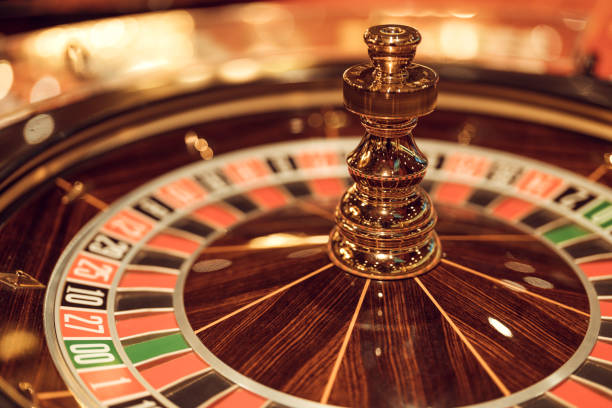
The design of the casino floor, with its strategic placement of games and rewards, also influences decision-making. For instance, slot machines are often placed near entrances to attract players, while table games are positioned to encourage social interaction. This layout manipulates the player’s experience, guiding them toward certain games and increasing the likelihood of more significant spending.
Emotional triggers in gambling
Emotions significantly influence gambling decisions, as players often chase feelings of excitement and adrenaline. The anticipation of winning can trigger a euphoric response, reinforcing the behavior and leading to repeated visits to the casino. This emotional cycle can create a powerful motivation that overshadows logical thinking and responsible gaming practices.
Moreover, the thrill of risk-taking is a crucial factor. Many players are drawn to high-stakes games where the potential for reward is substantial. This desire for instant gratification can result in impulsive decisions, often leading to financial consequences that players might later regret. Understanding these emotional triggers is essential for both players and casino operators.
The role of cognitive biases
Cognitive biases also play a significant role in casino decisions. The illusion of control, for instance, leads players to believe that they can influence the outcome of games based on their skills or strategies, even when outcomes are random. This misperception can drive players to engage more frequently, as they feel empowered by their perceived abilities.
Another common cognitive bias is the gambler’s fallacy, where players believe that past events influence future outcomes. For example, if a slot machine hasn’t paid out in a while, a player might feel it’s “due” for a win. Such biases can cloud judgment and encourage irrational betting behaviors, ultimately impacting the player’s financial stability.
Incentives and rewards systems
Casinos utilize various incentives and rewards systems to keep players engaged and returning for more. Loyalty programs, complimentary drinks, and exclusive events create a sense of value for frequent players. These incentives are designed to enhance the overall experience, making players feel appreciated and encouraging them to increase their gambling activities.
Additionally, the fear of missing out (FOMO) can drive decision-making. Promotions and limited-time offers create urgency, prompting players to make quick decisions without fully considering the risks. This strategy effectively capitalizes on psychological triggers, ensuring that players stay invested in their gaming experience.
Enhancing your gaming experience with informed choices
To navigate the complex landscape of gambling, it is crucial for players to be aware of the psychological triggers at play. Understanding how emotions, biases, and incentives influence decisions can empower individuals to make more informed choices and adopt a responsible approach to gaming.
At Best Online Casinos Australia, we curate a selection of top online casinos that prioritize player safety and satisfaction. By providing transparent information on various platforms, we aim to enhance your gaming experience while ensuring you remain in control of your decisions. Our commitment to promoting responsible gaming practices helps you enjoy the thrill of the casino without compromising your financial well-being.